
LOVE ETERNAL: Retro-Charme trifft auf ungenutztes Potenzial
LOVE ETERNAL ist ein PC-Spiel im Retro-Stil, das Pixel-Art und Chiptune-Melodien verwendet, um eine Geschichte über die Liebe zu erzählen, aber aufgrund von seichtem Schreiben und repetitivem Gameplay strauchelt.
Introduction
LOVE ETERNAL drops players into a 16-bit pixel world, where 8-bit sprites and lo-fi synth tracks aim to evoke the nostalgia of classic 1990s adventure games. At first glance, it’s a love letter to retro design, warm color palettes, hand-drawn details, and a soundtrack that feels lifted from a lost Sega Genesis title. But beneath this polished surface lies a game that struggles to balance heart with substance, leaving even the most dedicated retro fans wanting more.
Retro Aesthetics
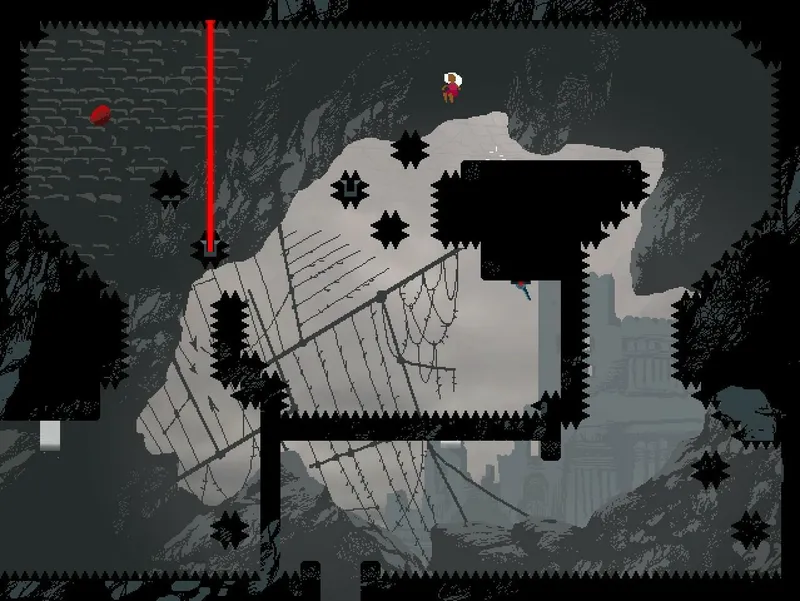
The art style is LOVE ETERNAL’s strongest asset. The coastal town of Sera, where the story unfolds, is brought to life with meticulous attention to detail: weathered wooden docks, a cluttered bookstore with yellowed pages, and a café with steam curling from mugs. Pixels aren’t just a visual style here, they’re a language, conveying emotion through subtle animations (a character’s hand trembling when recalling a memory, a child’s smile that fades when they notice the protagonist). The soundtrack, composed of chiptune melodies and soft acoustic guitar, complements each scene perfectly, turning quiet moments (like watching the sunset over the ocean) into memorable experiences.
Gameplay: Charm vs. Repetition
Gameplay centers on exploring Sera, interacting with its residents, and solving simple puzzles to “rebuild” the legacy of a deceased loved one (a concept never fully explained but framed as emotionally central). Initial exploration is delightful: the town feels alive, with NPCs sharing snippets of their own stories. Controls are tight and responsive, with smooth movement that feels true to retro design, no frustrating lag or unresponsive buttons. Puzzles, however, are a letdown. Most tasks (e.g., fixing a broken radio, arranging books to spell a message) are solved in seconds, lacking the satisfaction of a challenge. Worse, repetition sets in quickly. Fetch quests for generic items or talking to the same NPCs for the 10th time drain any momentum, turning exploration into a chore.
Narrative Flaws
The story, billed as a tale of “eternal love,” is its biggest weakness. The protagonist’s relationship with the deceased is never fully established, we learn little about their history, their dreams, or why they matter. This makes the protagonist’s quest to “keep their legacy alive” feel hollow, as if we’re moving through motions without understanding the stakes. Dialogue is stilted, with lines that read like text dumps rather than natural conversations. NPCs, too, lack depth: a grumpy fisherman, a kind bookstore owner, and a young child all feel like one-note archetypes, with no growth or surprises. By the midpoint, the “eternal” theme feels forced, overshadowed by underdeveloped characters and a lack of emotional beats (a promised flashback or heartfelt scene never arrives).
Conclusion
LOVE ETERNAL has the makings of a retro classic. Its pixel art and soundtrack are genuinely charming, and its core idea, rebuilding a legacy through love, holds promise. But weak storytelling, repetitive gameplay, and underdeveloped characters prevent it from reaching its potential. For die-hard retro fans, the nostalgia might keep them invested, but most will find themselves checking the clock. It’s a game that knows how to look the part, but forgets to fill the heart.
+ PRO
- +Visuell ansprechende 16-bit Pixel Welt
- +Warme Farbpaletten und handgezeichnete Details
- +Nostalgische 8-bit Sprites
- +Lo-fi Synth Tracks erinnern an Sega Genesis
- +Detaillierte Küstenstadt Sera mit z.B. verwitterten Docks
- CONTRA
- -Schwache Story
- -Monotones Gameplay führt zu geringem Engagement
- -Kämpft mit dem Balanceakt zwischen Herz und Substanz
- -Lässt Retro-Fans unbefriedigt zurück
FAZIT
A visually and aurally pleasing retro experience that struggles to sustain engagement due to weak storytelling and monotonous gameplay.
TAGS
VERWANDTE ARTIKEL

GameSir T7 Pro Sugar Whirl im Test: Keine süße Versuchung
Der Test des GameSir T7 Pro Sugar Whirl zeigt, dass der Controller kein zuckersüßes Highlight geworden ist.

Ambrosia Sky im Test: Ein Sci-Fi-Shooter mit philosophischem Tiefgang
Der Steam-Shooter Ambrosia Sky kombiniert Metroid Prime-Mechaniken mit einer drängenden Geschichte über menschliche Krisenbewältigung.
How Many Dudes? im Test: Ein gewagtes Experiment mit Suchtfaktor
Das abgedrehte How Many Dudes? beweist, dass ein Silberrücken in der Arena noch lange nicht das Ende der Fahnenstange ist.

The Mermaid Mask: Ein humorvolles Krimi-Highlight des Jahres 2026
Mit einer Riege skurriler Verdächtiger mausert sich The Mermaid Mask zu einem der am besten bewerteten Krimi-Abenteuer dieses Sommers.